

Machu Picchu Altitude: How To Prepare Properly Before Your Visit
Are you worried about the Machu Picchu altitude?
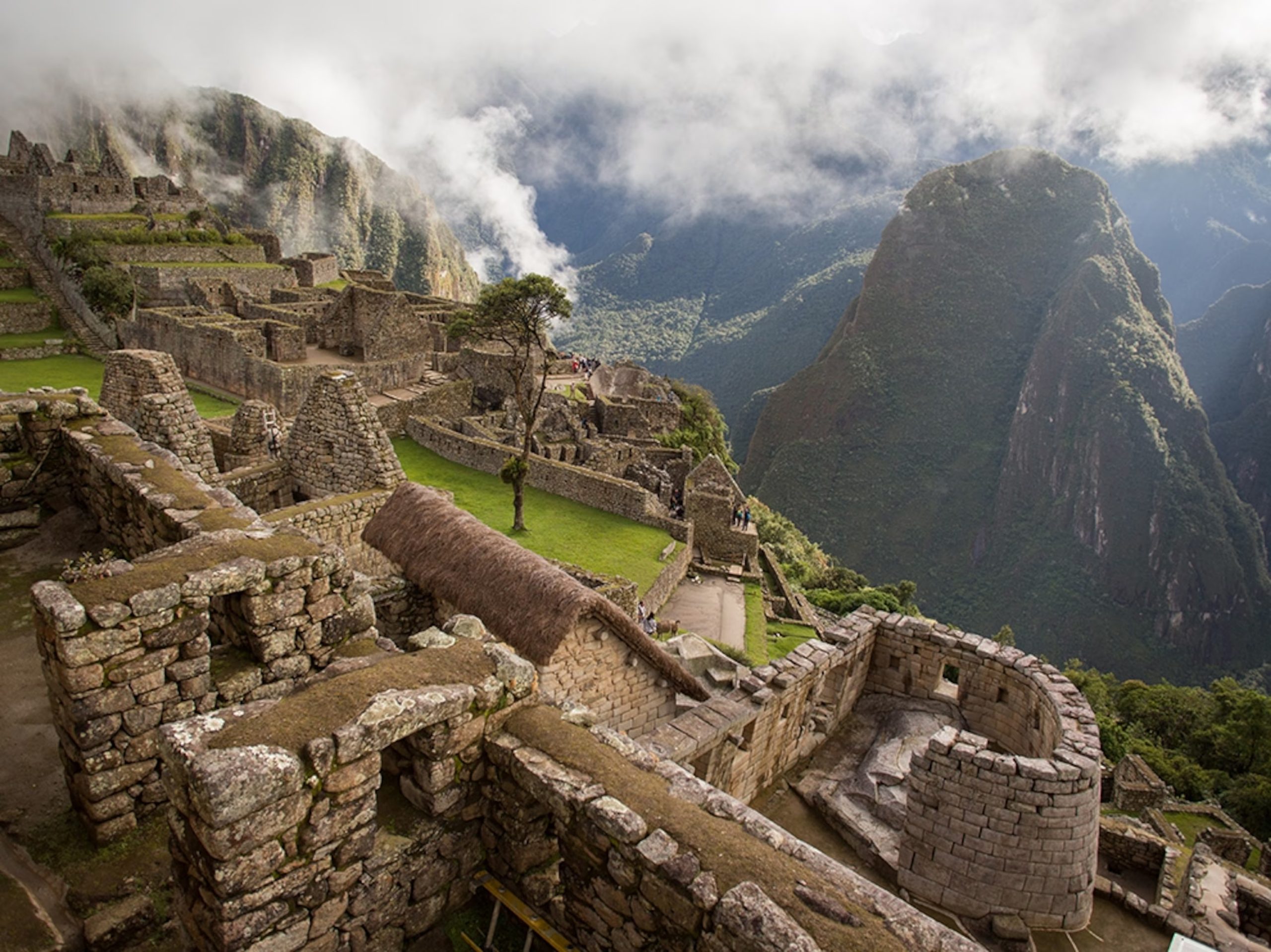
Located within the deep cloudforests of Peru, Machu Picchu ruins is one of the stellar highlights of a trip around the country, with this sacred Inca citadel being famously known as one of the New Seven Wonders of the World. The altitude of the site is a common cause for concern for travelers who worry about getting ill here during their visit, however as we’ll see this is rarely an issue – and especially for those who prepare properly in advance of their trip.
In this comprehensive guide, we’ll explore everything you need to know about the Machu Picchu altitude. This includes how high it is, whether altitude sickness is a big problem here, as well as how tourists can avoid having any issues during their privately guided tour. Later we’ll also answer your most frequently asked questions in our FAQ section.
Everything You Need To Know About The Machu Picchu Altitude
How High Is The Machu Picchu Altitude?
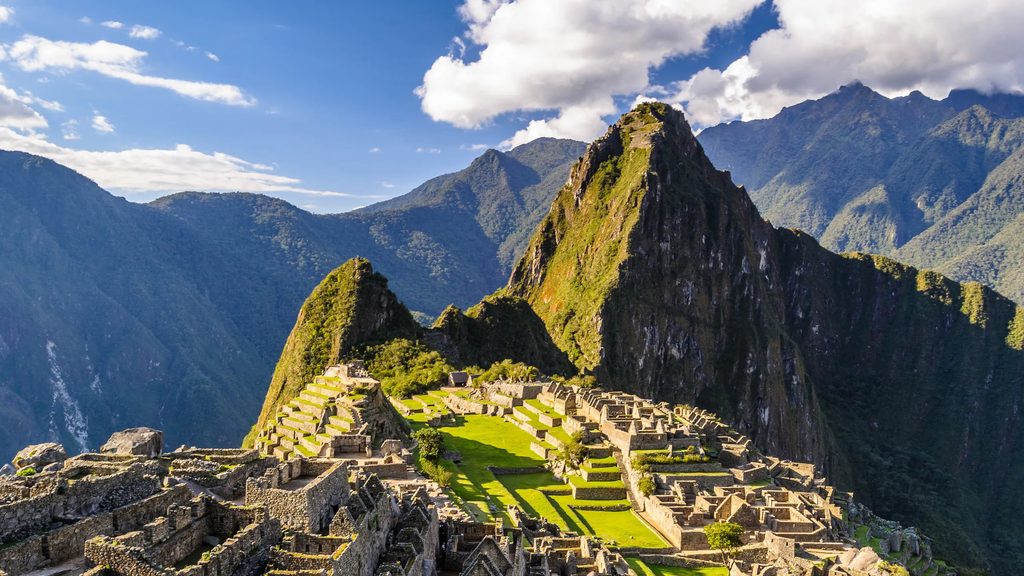
Machu Picchu is located up at an altitude of 2430m, within the cloudforest regions of the Cusco district. Situated on the top of a steep mountain, the ancient Inca ruins are roughly 400m higher than the town of Aguas Calientes – which is sat right below – making this basecamp town perfect for those arriving into the region and wanting to stay at a more comfortable altitude during their time visiting Machu Picchu.
In fact, the lower elevations of both these ruins and Aguas Calientes make them ideal first destinations for tourists to visit when arriving directly into Cusco. Given they are almost 1000m less in altitude than Cusco’s 3399m, it’s easier to acclimate here and avoid any potential altitude sickness symptoms. After visiting Machu Picchu, you can then comfortably return up to the higher altitudes of the Sacred Valley and Cusco ready for your privately guided tours and city visits.
Is Altitude Sickness A Common Risk Up At Machu Picchu Ruins?
Machu Picchu by itself is a very low risk destination for getting altitude sickness at 2430m, and the majority of travellers here will be completely fine, where we can enjoy the warmer climate when compared with that of Cusco. The biggest risk however depends on where you will be visiting directly before your visit to Machu Picchu, since symptoms are usually carried-over here rather than experienced because of the elevation of the Inca citadel.
If you will be flying directly from Lima to Cusco, and making your way straight to Machu Picchu, then there is much less risk of getting any altitude sickness symptoms. However, those who are staying at high altitude destinations like Cusco, Lake Titicaca or Chinchero in the Sacred Valley prior to their visit may experience some symptoms before and during their visit to Machu Picchu. In this event, it’s best to take it slow during your time there and follow our altitude sickness management advice below – and also know that as you descend into the lower elevations of Machu Picchu, you will start to feel better.
How Travelers Can Avoid Getting Machu Picchu Altitude Sickness
Head Directly To Machu Picchu From Lima
This is by far the easiest way to avoid getting any symptoms, since upon arrival in Cusco you’ll start driving immediately into the lower elevations. Here at Cusco Transport & Tours, our experienced drivers will meet you at the airport during our private Machu Picchu tours, where you will then take a luxury train right to your hotel in Aguas Calientes.
Acclimate Properly During Your First 48 Hours At High Altitude
If you will be spending several days in Cusco before visiting the ruins (or within other highly elevated destinations like Lake Titicaca), then be sure to spend your first two days relaxing and avoiding strenuous activity. This ensures a much more comfortable acclimation experience, and minimises the risk of getting altitude sickness before you then reach Machu Picchu.
Use Anti-Altitude Sickness Medications
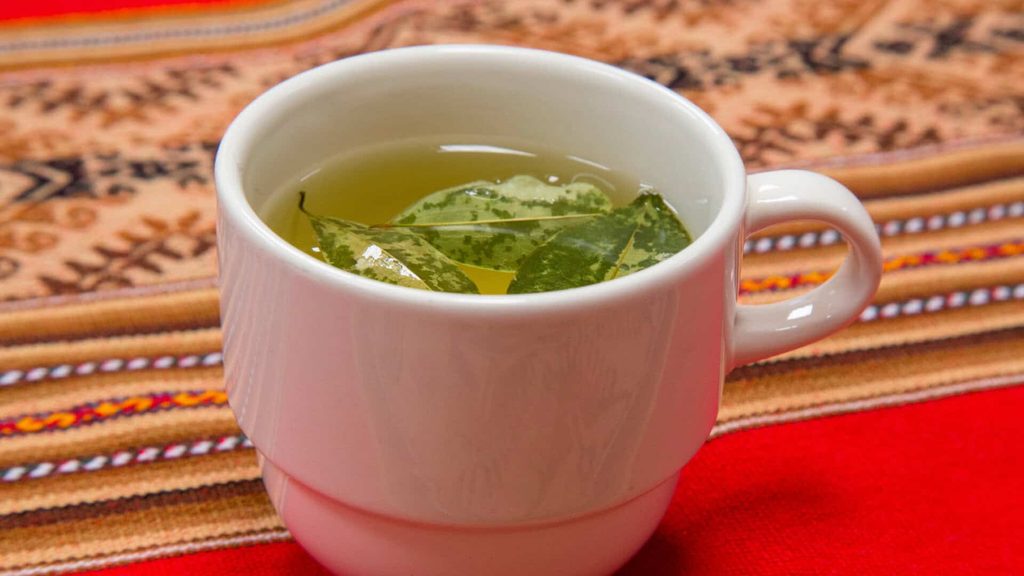
If cleared by your doctor, then there are certain medications like Diamox which can be started before you arrive in Cusco, which are reliable in preventing altitude sickness. Alternatively, you can drink Coca Leaf teas – which are prepared in hotels and restaurants – which contain natural ingredients that help to minimise and soothe any symptoms.
Hydrate Properly During Your Visit
As well as avoiding strenuous activity and using medications, hydrating well is essential for avoiding altitude sickness. This means drinking at least 3 litres of water a day – which is double what you should usually be drinking. As well as that, it’s important to avoid alcohol during your visit – and especially during your first two days at high altitude as your body continues acclimating.
Frequently Asked Questions About The Machu Picchu Altitude
In this section we’ll now explore the most frequent questions we get about the Machu Picchu altitude, as well as anything else you need to know.
Will I Get Altitude Sickness At Machu Picchu?
It’s highly unlikely that travelers will experience altitude sickness symptoms when exploring the ancient Inca citadel – and especially if already acclimated or heading directly from Lima to Machu Picchu. Instead, the biggest risk is for guests who are heading here directly from Cusco, Puno or another high altitude destination. In this case there is a much higher chance that you get altitude sickness before your visit which impacts your experience here – making it vital to properly acclimate and take it slow during your Peru vacation.
Is Machu Picchu Situated At A Higher Altitude Than Cusco?
With a total altitude of 2430m, Machu Picchu is actually much lower in elevation when compared with Cusco – which sits higher up at 3399m within the Andes mountains. This makes it ideal for travelers to first head to these ancient ruins when arriving into Cusco, where we can stay at the nearby town of Aguas Calientes for a much more enjoyable acclimatisation experience. It’s still worth taking your time to explore the ancient citadel regardless of your time spent in the Andes, given there are many stone steps and platforms to walk between.
How Hard Is It To Climb Machu Picchu Mountain?
A separate hike to the standard entry and tour around Machu Picchu, the Machu Picchu Mountain looms just behind these ancient ruins – and is a popular trekking experience for those who want unique history and scenic views. It’s best described as a moderate-to-difficult hike, given it’s a 1-2 hour gradual incline up stone steps that were once laid down by the Inca civilization themselves. Aside from the physical exertion needed, it’s also important for hikers to prepare properly with lots of water and sunscreen – given there is no cover along the mountainous route.
Overview Of The Machu Picchu Altitude
And that’s all for this guide on the Machu Picchu altitude, and how to best prepare before a visit to these iconic ruins.
Situated up at 2430m, this ancient citadel is famous for its mysterious temples, picturesque views and beautiful surrounding cloud forest – making it a must-visit destination for any traveler who wants to explore the incredible Andes regions of Peru. Thankfully this elevation is relatively mild and causes most travelers little issues during their trip, although it’s still worth planning your stay properly, and following the advice listed in this article to ensure a trouble-free visit.
Are you ready for the most unforgettable trip to Machu Picchu and across the rest of Peru? Here at Cusco Transport & Tours, we craft tailored private Peru tours for our guests – each unique to what each traveler wants. This includes not only the most memorable Machu Picchu tour with our expert guides, but also the very best hotel stays, transportation and gourmet food experiences during your entire vacation with us.