The Pachamama Ritual: An Important, Sacred Andean Ceremony
Have you heard of the ancient Pachamama ritual of Peru?
Beginning as far back as 5000 years ago along the desert coast and low Andes of Peru, Pachamama is one of the country’s most important spiritual practices – representing the importance of reciprocity and healthy relationship with the lands. Today it remains an important part of Andean culture, and especially in areas of Cusco, the Sacred Valley and Lake Titicaca where rituals and offerings are performed within the more rural regions.
In this comprehensive guide, we’ll explore everything you need to know about the Pachamama ritual. This includes its early beginnings and ancient history, how it’s typically performed and celebrated, as well as how tourists can experience this unique cultural event. Later we’ll also answer your most frequently asked questions in our FAQ section.
Everything You Need To Know About The Pachamanca Ritual
What Is Pachamama?
Often translated as “Mother Earth” in English, Pachamama is one of the most important and highly-held spiritual figures within the Andes regions. Those who hold these traditional beliefs share that, instead of just representing the natural world, Pachamama is a sacred presence that provides life, nourishment and protection to the people who live within the mountains of the Andes.
Communities living in these more harsher environments often express their gratitude to Pachamama through ceremonies, offerings and agricultural traditions – which reflect the belief that humans should maintain respect and balance with the natural world. This is especially important for those who live in the higher altitudes of the Sacred Valley and other regions where it can be harder to produce consistent food. For travelers visiting Peru, it’s common to witness the influence of Pachamama by watching traditional farming practices, local festivals as well as spiritual ceremonies that are led by local Andean practitioners.
The Deep History Of Pachamama In Peru
The origins of Pachamama worship date back several thousands of years, where evidence of offerings and burial pits have been found in sites such as Caral – occupied some 5000 years ago by the Norte Chico civilisation. Later, pre-Inca cultures began to develop these spiritual beliefs with agricultural cycles in order to better work with their natural environments – and once the Inca arrived and absorbed these older cultures – Pachamama then turned into one of the country’s most important traditions.
Despite the Spanish Empire conquering Peru during the 16th century and outlawing indigenous spiritual and religious practices, Pachamama survived thanks to the rural Quechua and Aymara communities where ancestral customs were hidden and passed down by generations. This included ceremonies and offerings as wishes for better harvests and harmony with nature, many of which we can experience today when exploring the more rural regions of the Andes.
How To Experience A Pachamama Ritual During Your Peru Vacation
For travelers who really want to experience and connect with Peru’s traditional Andean culture, a Pachamama ceremony can be both a highly memorable and meaningful experience during your vacation.
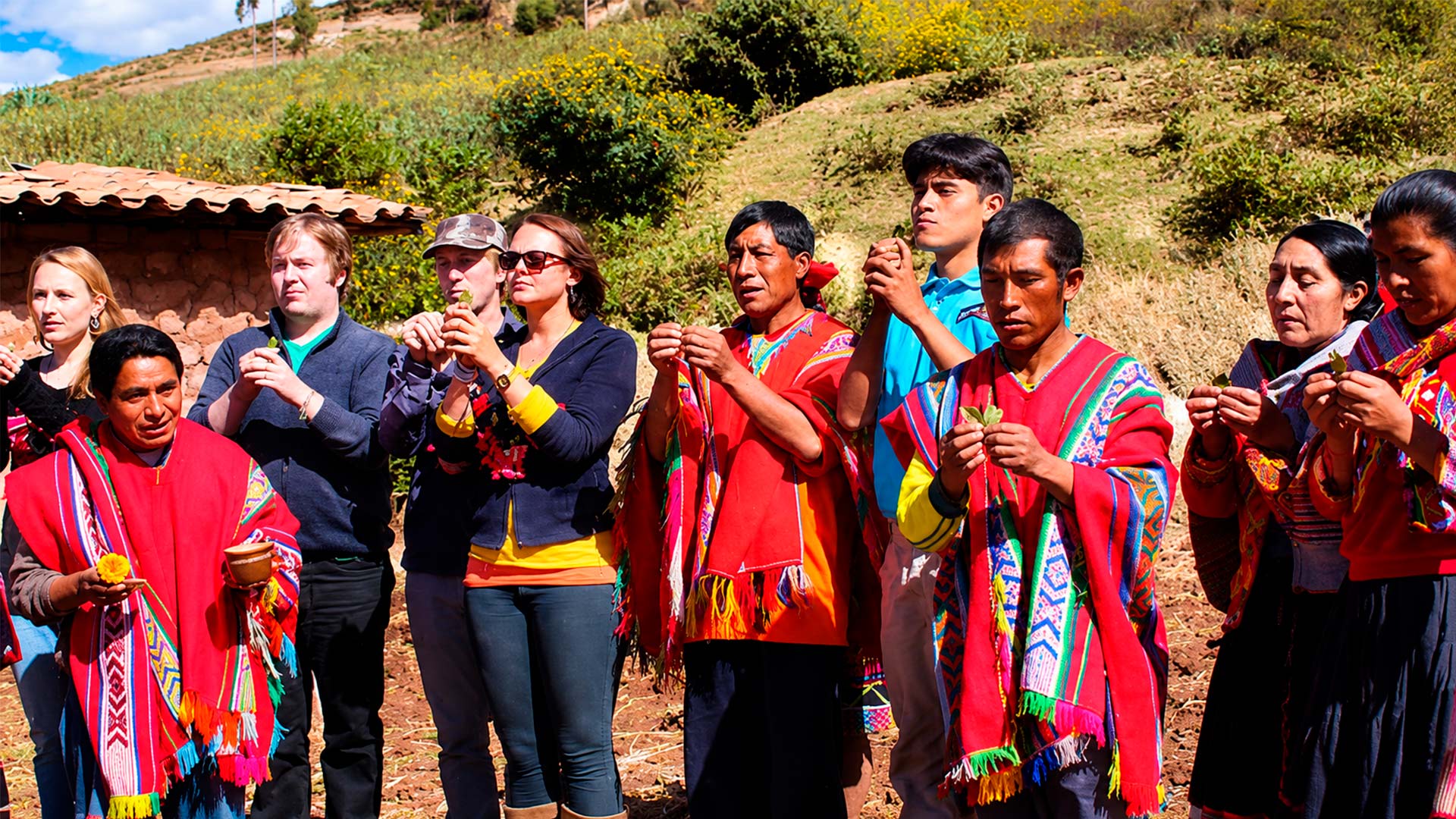
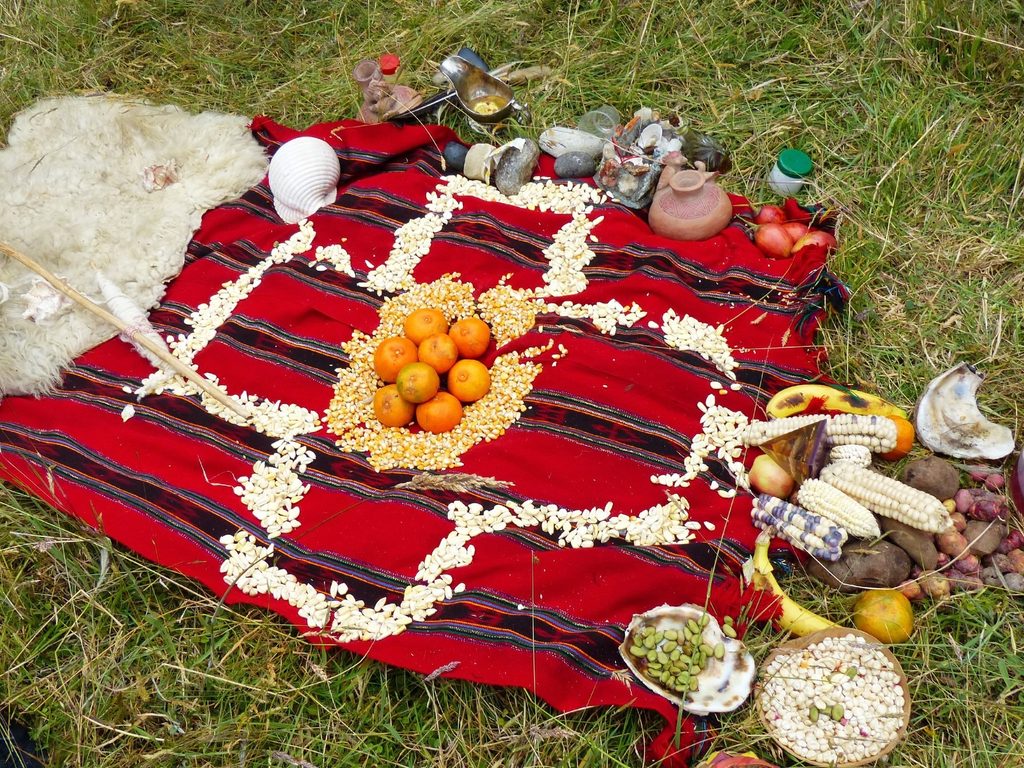
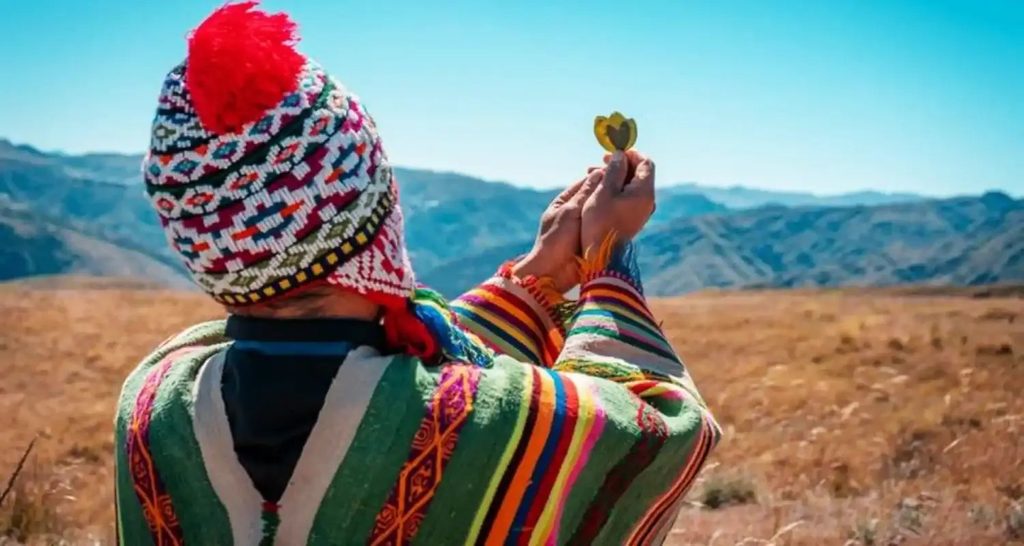
Commonly held around Cusco and the Sacred Valley, you will often be led by an expert paq’o who hails from these same native ancestral groups. Here you will gather around a carefully prepared offering which contains symbolic items such as coca leaves, flowers, grains and other materials. Prayers are often said in Quechua, before participants are invited to express their own gratitude or intentions before the burial or burning of the offering. This final act then marks the completion of the ceremony as the paq’o says the final prayers, before departing the site.
Here at Cusco Transport & Tours, we often organise Pachamama experiences for our guests during their time within the Peruvian Andes. When customizing your Cusco and Sacred Valley tour with us, you can enjoy comfortable transport and small private groups, which makes for a more intimate and trusting experience. This way we can enjoy this Andean custom in a more relaxed and respectful way, which is the perfect introduction to connect with the ancient Andean traditions that live on to this very day.
Frequently Asked Questions About The Pachamama Ritual
In this section we’ll now explore the most frequent questions we get about the Pachamama ritual, as well as anything else you need to know.
Did The Incas Worship Pachamama?
Yes, the Incas did worship Pachamama, which was a very important part of their agricultural and spiritual practices. They would often leave Pagos a la Tierra for this earth deity, which were offerings that included coca leaves, chicha, food, and sometimes sacrificed animals. The Incas believed that by maintaining good harmony with Pachamama through healthy reciprocation, they would be blessed with better harvests and avoid bad droughts or earthquakes.
What Is A Peruvian Pachamama?
Pachamama is the living deity of the earth, which is commonly called the Peruvian Pachamama given its roots once begun here. However, just because the earliest records of the Pachamama offerings date back within Peru some 5000 years ago, this ancient tradition isn’t just exclusive to Peru. Over time it was also adopted into the ways of life of the Quechua and Aymara indigenous groups, who also resided in nearby Ecuador, Bolivia, Chile and Argentina.
What Is The Relationship Between The Pachamama And Catholicism?
While beliefs of both Pachamama and practiced Catholicism have occurred alongside each other for centuries within Peru, tensions reached high points in recent times. In October 2019, wooden carvings related to Pachamama were brought by indigenous groups to the Vatican – and were subsequently thrown into a river by two fanatic supporters. Pope Francis apologised on behalf, stating how we should encourage dialect with native groups rather than treat them with suspicion.
Overview Of The Pachamama Ritual
And that’s all for this guide on the Pachamama ritual and its historic significance within Peru.
With early pre-Inca culture roots that date back as far as 5000 years ago, Pachamama is the ancient mother deity which represents the earth and the importance of maintaining harmony with nature. Today, offerings are still practiced all over the Peruvian Andes regions, and travelers who want to experience this unique spiritual practice can do so with ease when booking a customised Cusco day tour.
Here at Cusco Transport & Tours, we have decades of experience crafting unforgettable experiences for our guests all over the Andes, including memorable Pachamama ceremonies. Get In Touch With Us Now, where you will enjoy premium comforts while accompanied by our most experienced tour guides.y and Sacsayhuamán, as well as have flexible stops and transport pick-up times according to your own plan and schedule.