
Why Tourists Should Visit The Ancient Inca Museum Cusco
Have you heard of the famous Inca Museum Cusco?
One of many comprehensive historical Peruvian museums, the Inca Museum Cusco is arguably the very best for learning about the ancient Inca culture who once ruled the majority of the South American continent – as well as the cultures that roamed these lands before. With a properly planned visit, tourists can not only get an insider’s view into the country’s deep history and what was created around the Cusco and Sacred Valley region, but also understand them too which will make later guided visits much more enjoyable.
In this comprehensive guide, we’ll explore everything you need to know about the Inca Museum Cusco. This includes why this key museum is a must-visit for tourists heading into the Peruvian Andes, and why it helps tourists to enjoy Inca ruins and different sites after a guided visit here. Later we’ll also answer your most frequently asked questions in our FAQ section.
Everything You Need To Know About The Inca Museum Cusco
Why The Inca Museum Is Worth Visiting For Tourists
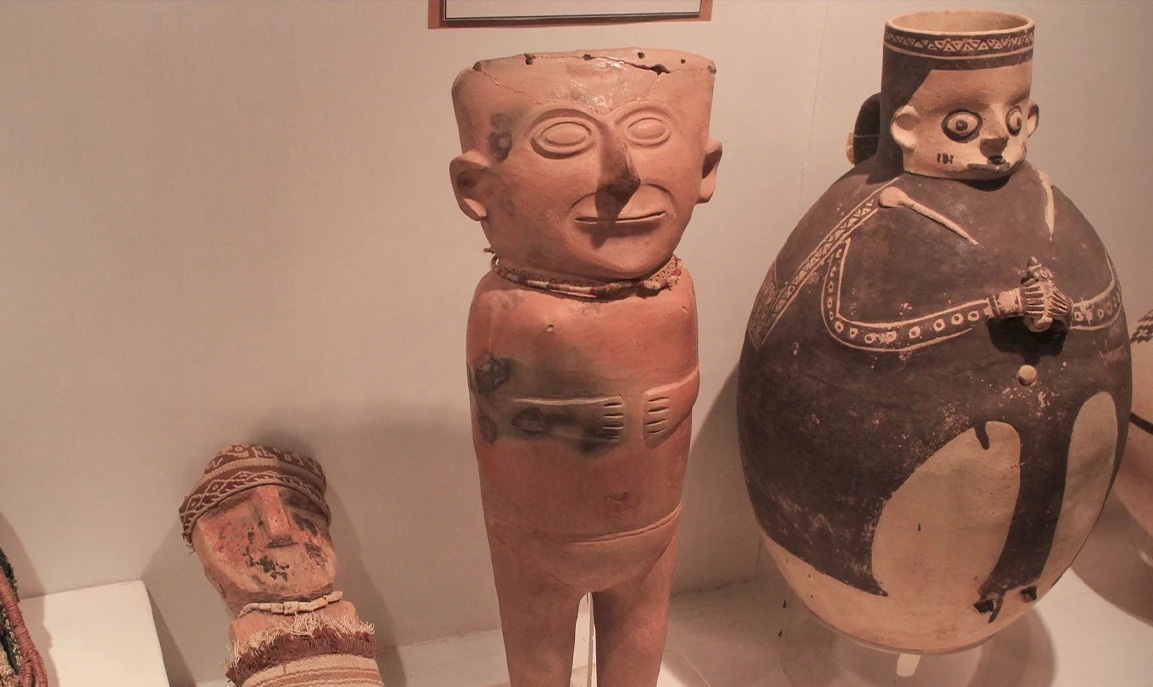
The Inca Museum showcases the deep history of Peru in spectacular fashion, with numerous exhibition rooms holding thousands of ancient artefacts that span several thousands of years. This begins with pre-Inca cultures such as the Wari and Moche which were known for their diverse ways of conquering and ruling, as well as to the times of the Inca who developed major highways and important citadels in just a couple of centuries during their peak.
The Inca Museum is also an ideal first-stop visit for tourists arriving into Cusco. Not only is it perfect for those who are still adjusting to the higher Sacred Valley and Cusco altitudes during their first couple of days, it also allows us to get a key understanding of the region before visiting ancient temples and structures. After your visit, you’ll then be better able to appreciate destinations like Machu Picchu, Pisac Ruins and the Ollantaytambo Fortress – as well as the cultures who once previously ruled within these regions.
Where The Inca Museum Is Located, And How To Plan Your Visit
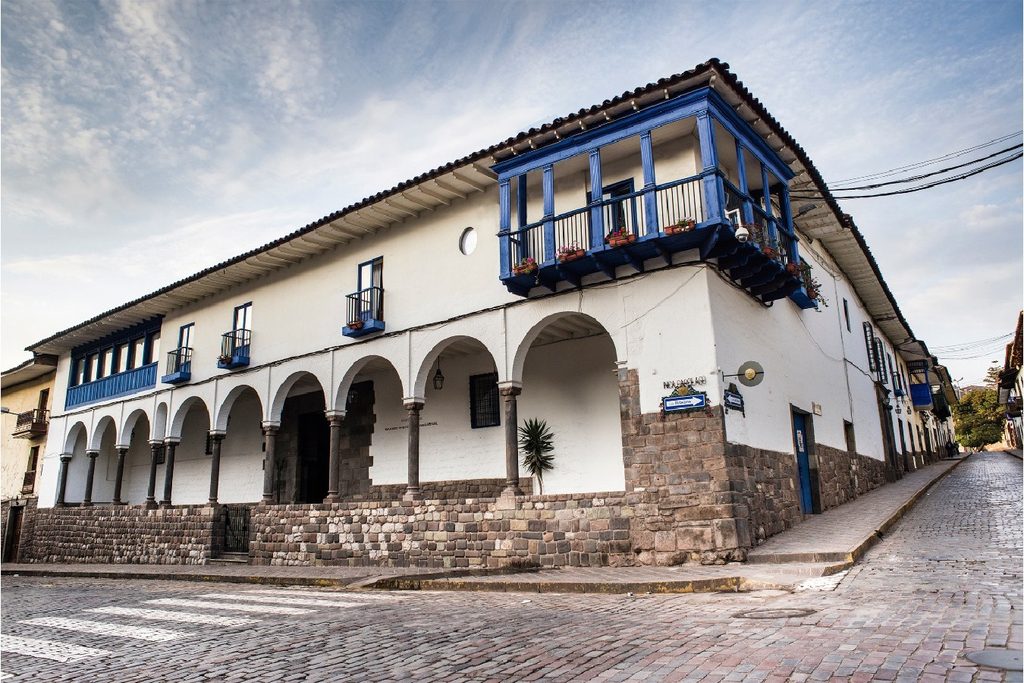
Situated just a few steps from the main Plaza de Armas in Cusco, the Inca Museum is housed in a restored colonial building located along the Cuesta del Almirante. It’s just to the left of the Cathedral of Cusco, making it ideal to visit after wandering around this baroque architectural church, as well as the winding narrow streets of the quieter San Blas district just behind the plaza.
You will need around 1-2 hours free to properly enjoy your visit without rushing, and the ticket must be paid independently at the entrance (a cost of roughly 10-20 Soles per adult which is not included in the Boleto Turístico ticket). While exhibits contain partial English translations, hiring a private expert guide is ideal for getting a much more detailed explanation and story of the findings and artefacts inside the museum.
Explore The Inca Museum And Cusco’s Ancient Sites With Cusco Transport & Tours
From carefully acclimating to the high Andes altitudes to planning out your ideal itinerary, expert advice is what makes the main difference between a visit to Cusco and an unforgettable vacation here. Here at Cusco Transport, our highly experienced guides will captivate with their stories and lessons as you walk through the Inca Museum, while also including private, comfortable transport between other sites in the city such as Saqsayhuamán ruins and Qenqo ruins. Start planning your Cusco Day Trip now, where you can fully customize your journey and comfort level as you wish.
Frequently Asked Questions About The Inca Museum Cusco
In this section we’ll now explore the most frequent questions we get about the Inca Museum Cusco, as well as anything else you need to know.
How Much Are Inca Museum Tickets?
At this current time, entrance tickets to the Inca Museum cost around 10-20 Soles (roughly $3-6 USD), although prices are subject to change at any time. It’s important to know that, unlike sites such as Pisac Ruins, the Maras Salt Mines and the MAPI Museum, the Inca Museum is not included as a free stop on the Boleto Turístico Ticket. Entrances instead must be bought upon arrival to the museum.
Is The Inca Museum Worth It?
The Inca Museum is an ideal first stop for travelers heading to Cusco, where we can learn and understand ancient history before visiting ruins such as Sacsayhuamán, Machu Picchu and Ollantaytambo Ruins. It’s most notable for its comprehensive collection of over 10,000 findings, which includes mummies, original artefacts and a quero collection which is amongst the largest of its kind on the planet.
What Is The Best Museum In Cusco?
While there are many fascinating museums in Cusco for tourists to learn about the ancient civilisations of this region, the Inca Museum is often ranked as one of the very best. While others are also great for a visit – such as the Museo de Arte Precolombino for older timelines, and the Museo Histórico Regional for fine art – the Inca Museum remains one of the most comprehensive for seeing how pre-Inca cultures, the Inca and also the Spanish helped to shape Cusco as we see it today.
Overview Of The Inca Museum Cusco
And that’s all for this guide on why tourists should visit the Inca Museum Cusco.
Famous for its comprehensive collection of artefacts from the pre-Inca, Inca and Spanish colonial periods, this extensive museum is a perfect stop for tourists to learn about this country’s deep and colourful history. This includes how cultures like the Chavín, Wari and Moche thrived thousands of years ago, and also how the Inca managed to stretch their empire of Tawantinsuyu as quickly as they did.
Here at Cusco Transport, we have decades of experience leading our guests on private day tours around the Cusco and Sacred Valley regions. Start planning your Cusco day trip with us now, where you will tour the museum properly with our expert guides, uncover archaeological sites like Tambomachay and Sacsayhuamán, as well as have flexible stops and transport pick-up times according to your own plan and schedule.