The Sacred Valley Elevation: An Expert Preparation Guide Before Your Visit
Are you worried about the Sacred Valley elevation and altitude sickness?
Situated just a short drive from Cusco, the Sacred Valley is one of the most incredible regions to visit in all of Peru, which is full of ancient Inca ruins, scenic hiking routes and charming mountain villages. The elevations here can sometimes cause concerns given they are up within the Andes Mountains – and as such it’s important to learn about the different destinations here, and whether altitude sickness is a risk.
In this comprehensive guide, we’ll explore everything you need to know about the Sacred Valley elevation in Peru. This includes how altitudes can drastically vary between different destinations, as well as expert local tips to avoid getting any symptoms. Later we’ll also answer your most frequently asked questions in our FAQ section.
The Sacred Valley Elevation Of Every Destination And What To Expect
This giant region is known for its winding valleys and towering Andes mountains – and as such altitudes can vary highly between 2000-4000m+. However, for tourists visiting the most popular destinations and towns of the Sacred Valley, you will most likely be staying in and visiting elevations of between 2400-3600m.
These altitudes are on the lower side of what we can usually expect within the Peruvian Andes – and are completely fine for travelers who take their time and acclimate properly before and during their visit. Below we’ll list all of the Sacred Valley elevations that you need to know for each destination, and give you an idea of how to plan your own itinerary in this fantastic region.
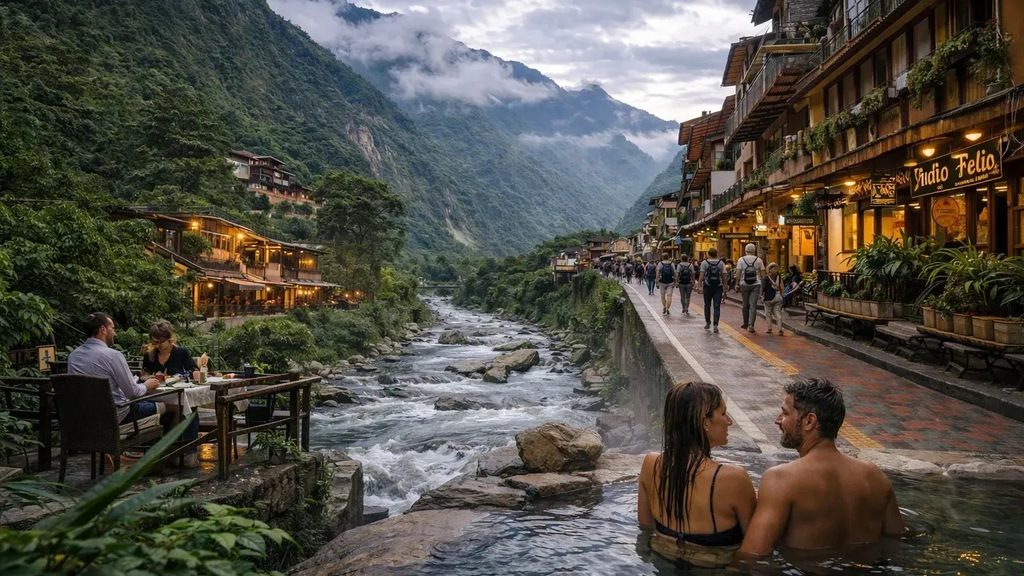
Aguas Calientes: 2040m / 6693ft
Machu Picchu: 2430m / 7972ft
Ollantaytambo: 2792m / 9160ft
Urubamba: 2871m / 9419ft
Calca: 2926m / 9600ft
Pisac: 2972m / 9751ft
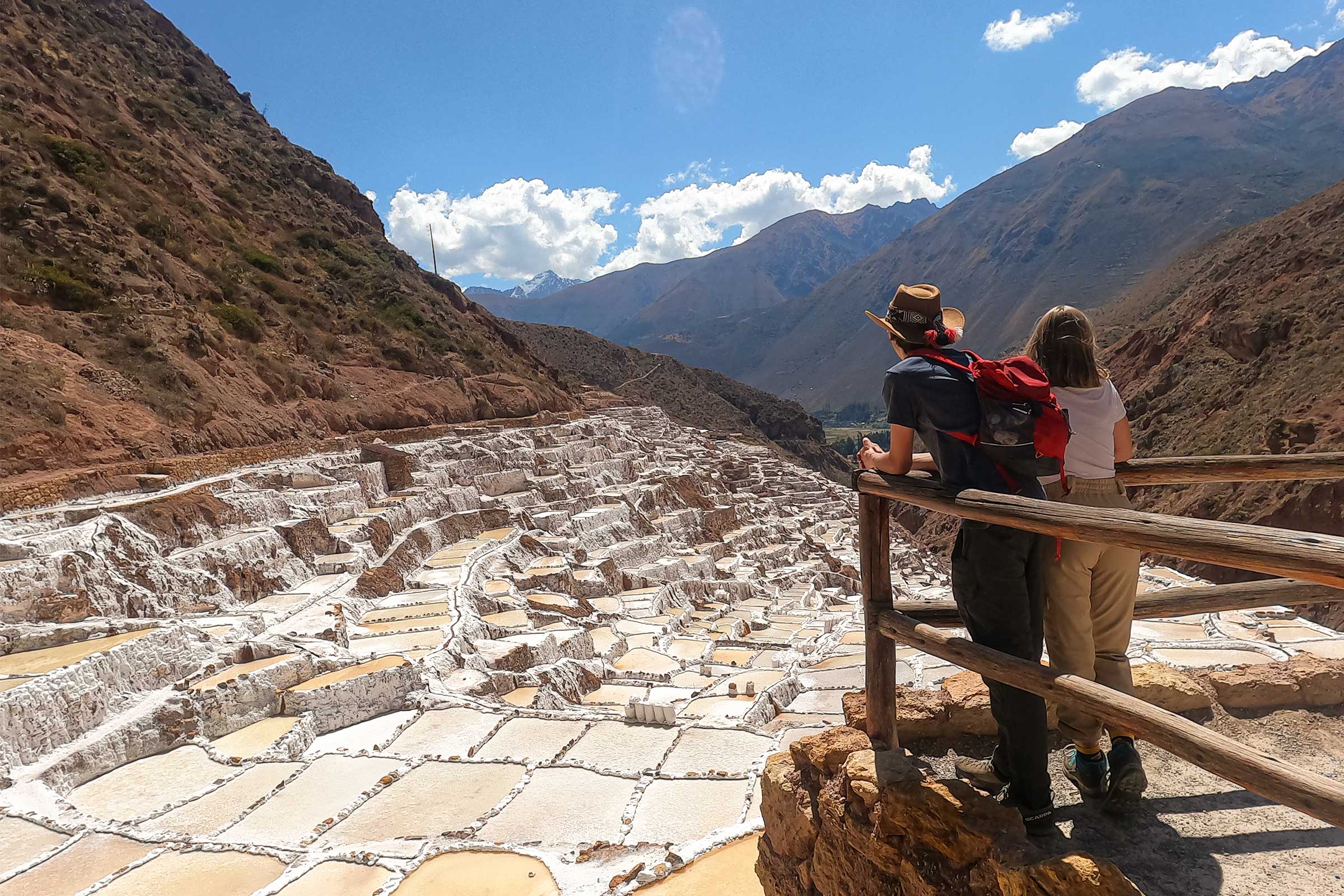
Maras Salt Mines: 3002m / 9849ft
Cusco: 3399m / 11152ft
Moray Ruins: 3480m / 11417ft
Chinchero: 3762m / 12343ft
At What Sacred Valley Elevation Should I Be Concerned About Getting Sick?
As mentioned before, everyone is different and as such it’s hard to predict what will happen to each traveler on an individual basis. However, the vast majority of our guests have had minor to zero issues between elevations of up to 2500m – making this the perfect range to begin acclimating upon arrival into the region.
Destinations between 2500m-3000m are also generally fine and ideal for your first visit – with towns like Aguas Calientes (below Machu Picchu), Ollantaytambo and Urubamba some great choices for your first few days in the Sacred Valley and Cusco regions. For this reason we highly recommend travelers to head straight from Cusco to Machu Picchu as this allows for a more comfortable acclimation experience. As you move above into higher elevations, the chances of getting symptoms begin to increase – so it’s vital to take proper care and preparation both during and before your visit.
How To Avoid Getting Altitude Sickness In The Sacred Valley
It’s important to know that everyone experiences altitude changes differently – regardless of health or general fitness levels. For this reason we highly suggest everyone to take preventative measures where possible, and especially during the first 48 hours which are the most important for acclimating to higher elevations.
Relax During Your First Two Days
Your first two days should be spent relaxing and avoiding strenuous exercise or hiking. This is because your body will be working extra hard to acclimate, and too much activity can often bring on unwanted symptoms. You can resume hiking or other activities after this period or if you are feeling completely fine.
Consider Taking Preventative Altitude Sickness Medications
Certain medications can help you bypass symptoms and even the need to relax during your first two days in higher altitudes. The most popular medication is Diamox which can be started before you arrive into Cusco or the Sacred Valley – subject to clearance from your doctor. Soroche Pills are another medicine sold in pharmacies in these regions which are also effective.
Slowly Increase Your Elevation Before Reaching The Sacred Valley
Altitude sickness is your body’s reaction to high and sudden increases in elevations – such as flying directly from Lima to Cusco. You can either visit midway altitude destinations like Arequipa or Nazca on the way with our private chauffeurs and customized Peru tours – or also head straight to lower elevated towns in the Sacred Valley like Urubamba or Aguas Calientes upon arriving into Cusco.
Drink Coca Leaf Teas During Your Stay
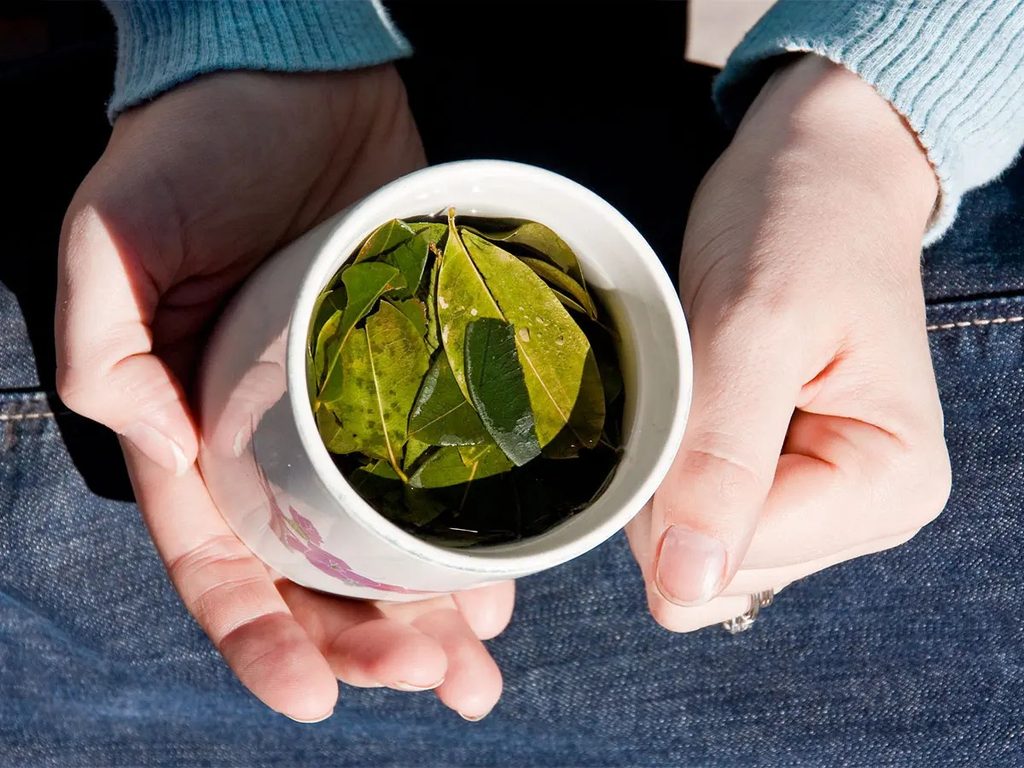
Another tried and tested method by locals and tourists alike, Coca Leaf Teas not only help prevent altitude sickness in the Sacred Valley or Cusco – they are also great for managing symptoms in case you get ill during your travels in the Andes. You can find them served in most hotels and restaurants across the region.
Frequently Asked Questions About The Sacred Valley Elevation
In this section we’ll now explore the most frequent questions we get about how to manage the Sacred Valley elevation, as well as anything else you need to know.
Is The Sacred Valley Higher Than Machu Picchu?
Yes, the vast majority of the Sacred Valley region is located at higher elevations of between 2400-3800m, whereas Machu Picchu sits up on a mountain peak at 2450m. This includes typical destinations such as Ollantaytambo (2792m), Urubamba (2871m) and Pisac (2972m). The only exception to the rules which is actually lower than Machu Picchu is Aguas Calientes – with this town sitting directly below the ruins at 2040m.
Which Is Higher In Elevation, Cusco Or Machu Picchu?
Cusco is situated much higher up at an altitude of 3399m within the Andes Mountains, while Aguas Calientes sits at a more comfortable 2040m in the jungle and cloudforests of the region. For this reason it’s highly recommended to head straight on a Machu Picchu Tour From Cusco upon arrival – as this will help you to acclimate in a more gentle way before exploring the rest of the Sacred Valley and higher Andes destinations.
Do People Get Altitude Sickness In The Sacred Valley?
In most cases, travelers visit the Sacred Valley with very little altitude-related issues – and especially when spending longer time in the various towns here like Ollantaytambo or Aguas Calientes. Those who do experience symptoms tend to actually get them in Cusco before heading here since the altitude is higher up at 3399m – so our best advice would be to head immediately into the lower elevated destinations of the region and also do little as your body acclimates.
Overview Of The Sacred Valley Elevation
And that’s all for this guide on everything you need to know about the Sacred Valley elevation.
This scenic region is one of the most popular for travel in all of Peru, where we can enjoy mysterious ancient Inca ruins, hike through beautiful Andean mountains, as well as visit the unforgettable Machu Picchu citadel itself. Thankfully the actual Sacred Valley elevation is generally lower than that of Cusco, and most travelers visiting this region find it easy to acclimate to these lower altitudes when following our expert advice.
Are you ready to explore the wonders of the Sacred Valley in the most comfortable way possible? Here at CuscoTransport, we provide seamless private travel between Cusco and the Sacred Valley, as well as tours with our expert guides. Speak to our expert team now and start planning your most unforgettable Cusco and Sacred Valley vacation.